
This IRMER training equips healthcare staff with the theoretical knowledge and understanding to help ensure patient safety during medical exposures to X-rays and nuclear medicine.
IRMER Ionising Radiation (Medical Exposure) Regulations Course
Develop your understanding of the Ionising Radiation (Medical Exposure) Regulations – core legal duties, radiation risks and the responsibilities of duty holders involved in diagnostic imaging, nuclear medicine and radiotherapy. Includes targeted learning on justification, optimisation and safe practice to support compliant, patient‑centred use of ionising radiation.
Multiple online learning modules
IRMER Course: Online training covering radiation safety, legal duties and compliant use of ionising radiation in diagnostic imaging and radiotherapy.
Who is the IRMER Training course for?
- Radiographers
- Doctors
- Nurses
- Clinical technologists
- Nuclear medicine practitioners
- Radiotherapy staff
- Interventional imaging teams
- Trainees needing IRMER‑compliant training
What’s on this page?
Introduction to IRMER Training
This course provides a comprehensive introduction to the Ionising Radiation (Medical Exposure) Regulations (IRMER), giving clinical staff the essential theoretical knowledge required to work safely with ionising radiation in diagnostic imaging, nuclear medicine and radiotherapy. It supports professionals who need to understand how IRMER applies in day‑to‑day clinical practice, including the responsibilities of duty holders, the principles of radiation protection and the practical steps needed to reduce patient exposure.
Developed and certified in the UK by the Institute of Physics and Engineering in Medicine (IPEM) and NHS England’s elearning for healthcare programme, this training meets the UK’s theoretical requirements for medical exposures under IRMER 2017 (amended 2018). The course uses interactive sessions, images and self‑assessment questions to help you strengthen your understanding of radiation risks, legal duties and safe working practices. Once complete, you can download an IRMER certificate for your records or to satisfy inspection requirements.
After completing this course, you should be able to:
- Describe the fundamental physics of ionising radiation and how X‑rays are produced
- Understand the legal duties and responsibilities defined under IRMER regulations
- Identify the risks associated with ionising radiation and the biological effects of exposure
- Apply IRMER principles to diagnostic imaging, interventional radiology, nuclear medicine and radiotherapy
- Recognise the roles of duty holders and the practical steps required to justify, optimise and limit exposures
- Implement safe working practices that help reduce patient dose
You can also:
- Demonstrate IRMER‑aligned competence to employers and regulatory bodies
- Approach clinical use of ionising radiation with a strong understanding of legal, professional and safety frameworks
Course features
- A focused collection of core IRMER learning resources designed to build strong foundational knowledge in radiation physics, legal responsibilities and safe use of ionising radiation across clinical settings.
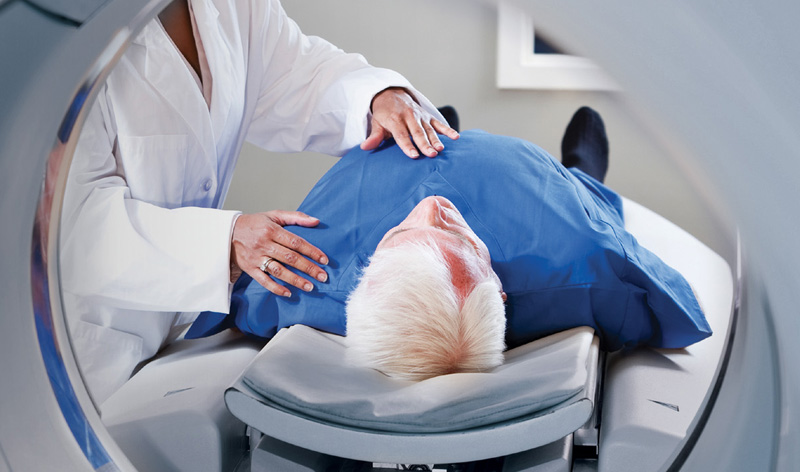
- Practical guidance, interactive content and scenario‑based learning to support safe decision‑making in diagnostic radiology, nuclear medicine and radiotherapy, including the principles of radiation protection, justification and optimisation.
- Engaging multimedia‑based learning for anyone who needs IRMER‑compliant training, with short, accessible sessions that fit easily around busy clinical workloads and regulatory requirements.
Why choose eIntegrity?
Access high‑quality IRMER training developed by leading UK organisations, designed to give you clear, accurate interpretation of the regulations and how they apply in clinical settings. The course supports mixed‑role teams by offering structured, easy‑to‑understand learning aligned to national legislation.
You can share the course overview with managers and governance leads, helping them judge at a glance how the training supports safe medical exposures and regulatory compliance.
Clear guidance throughout helps you understand the difference between legal requirements, clinical best practice and local policies used within your service.
Course content overview
This programme‑level training focuses on the essential themes and legal duties defined in the Ionising Radiation (Medical Exposure) Regulations. It covers radiation physics, radiation risks, biological effects, safe use of ionising radiation and the responsibilities involved in imaging and radiotherapy workflows.
Modules explore diagnostic X‑ray imaging, interventional radiology, nuclear medicine and radiotherapy, supported by practical examples showing how IRMER is applied in real clinical scenarios. Additional content demonstrates how to justify exposures, optimise radiation dose and protect patients through safe technique and clear decision‑making.
Subject areas covered:
Fundamental physics of radiation, radiation risks and biological effects, the production and control of X‑rays, legal requirements and duty holder responsibilities, diagnostic radiology and interventional procedures, nuclear medicine exposures, radiotherapy applications and the practical steps involved in reducing patient exposure and optimising practice.
What’s included:
Interactive online sessions with images, examples, quizzes and self‑assessment questions to reinforce learning. You can track your progress and print an IRMER certificate upon completion.
Who developed this course?
This IRMER course has been developed by theInstitute of Physics and Engineering in Medicine (IPEM) in partnership with NHS England’s elearning for healthcare programme. Written by subject‑matter experts, it reflects the highest standards of radiation safety training and supports compliance with UK regulations.
Our IRMER Training modules
- Fundamental physics of radiation
- Radiation protection
- Legal requirements under IRMER
- Diagnostic X‑ray and interventional radiology
- Nuclear medicine
- Radiotherapy

Access 24/7
The IRMER course is delivered entirely online, giving you the flexibility to learn at home, in the workplace or while on the move. Each session is short and focused, making it easy to build the essential theoretical knowledge around a busy clinical rota without losing momentum.
With its curated set of IRMER‑aligned modules covering radiation physics, legal responsibilities and safe use of ionising radiation, you can dip in and out whenever you need to revisit key concepts such as justification, optimisation or reducing patient exposure. This makes the programme ideal for strengthening confidence in radiation safety and regulatory compliance, even when time is limited.
Once you’ve completed the course or individual modules, you can return to the interactive sessions and self‑assessment activities at any time as part of your ongoing development. At the end of the programme, you can download your IRMER certificate to add to your professional portfolio or to support local governance and inspection requirements.
People also ask
Who is the IRMER training designed for?
Does this course meet UK IRMER requirements?
How long are the sessions?
Does the course provide a certificate?
Is the training suitable for nuclear medicine and radiotherapy staff?
FAQs
How can I purchase a licence to access the course?
Can I buy a licence for more than one course?
Do I have to complete the training all at once?
Will I receive a formal qualification on completion?
How do I access the content once I have paid?
Reviews & Testimonials
Comparing the cost of IRMER Training
Traditional IRMER training often requires in‑person study days, classroom sessions or time away from clinical duties. With this online IRMER course, you gain access to all required theoretical learning through a single subscription fee, making the training easy to complete and more cost‑effective than arranging multiple in‑person sessions.
How to get started
Simply enrol through the eIntegrity platform and begin working through the modules at your own pace. The course is designed to build knowledge quickly and clearly, helping you develop a solid understanding of radiation physics, legal duties and safe clinical practice.
Who is this programme suitable for?
TThis course is designed for professionals involved in delivering or supporting medical exposures involving ionising radiation, including:
- Radiographers
- Doctors
- Nurses
- Clinical technologists
- Nuclear medicine practitioners
- Radiotherapy staff
- Interventional imaging teams
- Trainees needing IRMER‑compliant training
The programme supports anyone looking to strengthen their knowledge of IRMER regulations, build confidence in radiation safety and apply compliant, safe practice across diagnostic and therapeutic imaging.